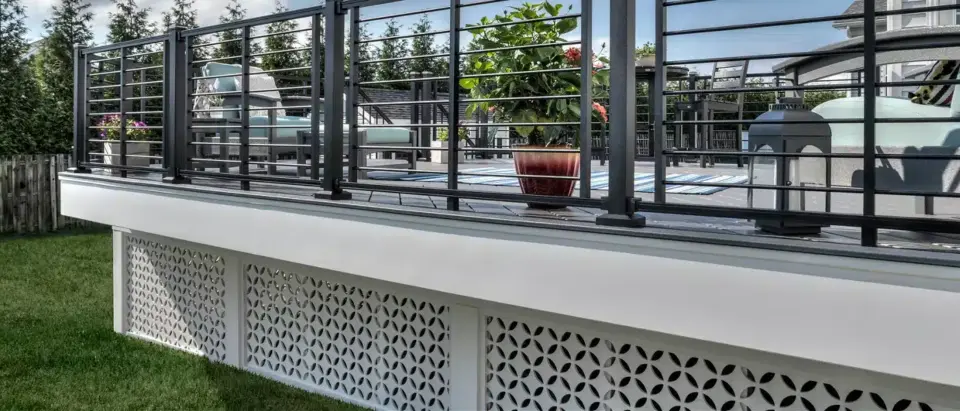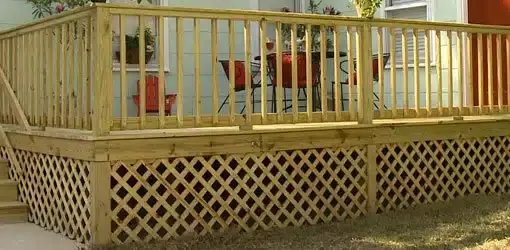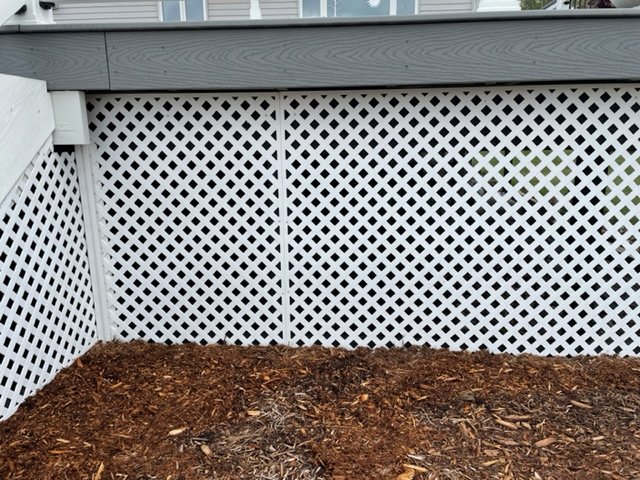
Deck lattice can give your outdoor space a clean, finished appearance while helping conceal the area beneath an elevated deck. It can also provide a decorative boundary without completely closing off the space. However, poor planning and installation mistakes can affect its appearance, durability, and ability to handle changing weather conditions.
For New Hampshire homeowners, choosing suitable materials and allowing for seasonal changes are important parts of the process. Whether you are finishing a new deck or updating an existing structure, understanding common deck lattice installation mistakes can help you achieve a more attractive and functional result.
1. Choosing the Wrong Lattice Material
One common mistake is selecting lattice based on appearance alone. Different materials offer different maintenance requirements, durability characteristics, and design options. A product that looks appealing in a showroom may not suit your deck’s exposure to moisture, sunlight, and seasonal temperature changes.
Before making a decision, consider how you want the finished installation to look and how much maintenance you are willing to handle. Compare available materials based on their intended use, manufacturer recommendations, and compatibility with your existing deck.
Homeowners should also consider the surrounding decking materials and overall design. A well-matched lattice installation can complement the deck’s appearance and create a more cohesive outdoor space.
2. Ignoring Measurements and Site Conditions
Accurate measurements are essential for a neat installation. Panels that are too large may require excessive cutting, while undersized sections can leave visible gaps. Uneven ground and irregular deck dimensions can create additional challenges if you do not account for them before purchasing materials.
Before installation, measure the openings beneath the deck and inspect the area carefully. Check for obstacles such as posts, steps, drainage features, and existing utilities that may affect panel placement.
Create a layout plan before cutting any panels. Careful preparation can reduce material waste, limit unnecessary adjustments, and help produce consistent spacing across the finished installation.
3. Failing to Allow for Ventilation and Access
Deck lattice can conceal the space beneath a deck, but covering the area too completely can create practical problems. Depending on the deck’s design and the conditions beneath it, airflow may help manage moisture. Restricted access can also make it harder to inspect structural components or reach plumbing and other utilities.
Plan the layout with ventilation and maintenance in mind. Avoid assuming that lattice should form a completely sealed enclosure. The appropriate arrangement depends on the structure, the space beneath the deck, and the manufacturer’s recommendations for the selected product.
You should also consider how you will access the area for future inspections and repairs. A removable section or planned access point may be useful when the design and site conditions call for one.
4. Installing Panels Too Tightly
Another mistake is fastening lattice panels too tightly or leaving insufficient room for movement. Some materials expand and contract as temperatures change. If the installation does not follow the product’s requirements, panels may buckle, distort, or place unnecessary stress on their fasteners.
New Hampshire’s seasonal temperature changes make it particularly important to follow the manufacturer’s installation instructions. Check the recommended clearances, fastening methods, and support requirements for your chosen material before securing the panels.
Use compatible fasteners and appropriate support framing where required. Avoid improvising installation details based solely on the appearance of the finished product, since different materials may have different requirements.
5. Overlooking Drainage and Ground Clearance
The area beneath a deck can collect rainwater, runoff, leaves, and debris. Installing lattice without considering drainage may make it harder to identify moisture problems or keep the area clean. Panels that sit directly against damp soil may also experience conditions that affect their long-term performance, depending on the material.
Inspect the ground around the deck before installation. Look for areas where water collects and consider how runoff moves across the property. If drainage problems exist, address them appropriately rather than expecting lattice panels to solve the issue.
Leave suitable clearance between the lattice and the ground according to the product’s requirements and site conditions. Proper planning can make routine maintenance easier and help protect the installation from avoidable moisture exposure.
6. Neglecting Finishing Details and Maintenance
Even well-fitted lattice can look unfinished if the installer overlooks edges, corners, transitions, and fastening details. Uneven cuts and inconsistent spacing may stand out, particularly when the lattice runs along a visible side of the deck. Poorly planned connections can also make future repairs more difficult.
Before completing the project, inspect the installation for loose fasteners, unsupported edges, sharp cut surfaces, and uneven alignment. Make sure the panels are secure and that the finished appearance matches the intended design.
Maintenance also matters after installation. Remove accumulated leaves and debris, check for damage periodically, and follow the manufacturer’s care recommendations. Avoid assuming every material needs the same treatment, particularly when comparing composite products with traditional wood.
Plan Your Deck Lattice Installation Carefully
A successful deck lattice installation starts with the right material, accurate measurements, and a layout that accounts for ventilation, drainage, seasonal movement, and future access. Paying attention to these details can help prevent common problems and produce a clean, finished look beneath your deck.
If you are planning a new deck or updating an existing outdoor space, Premier Deck can help you explore options for incorporating lattice into your design. Call (603) 833-2353 to discuss your project and plan an installation that complements your deck and property.