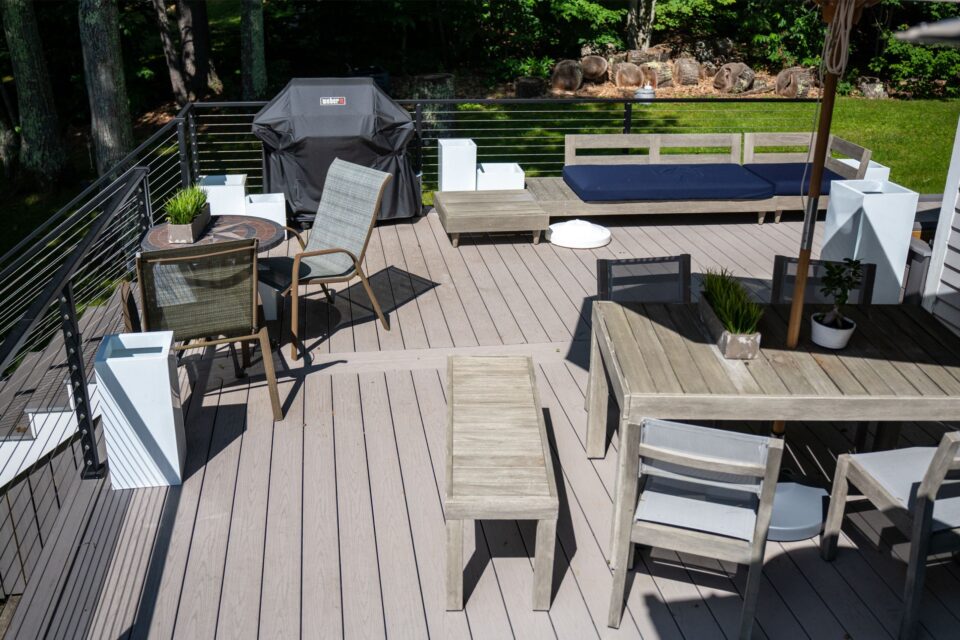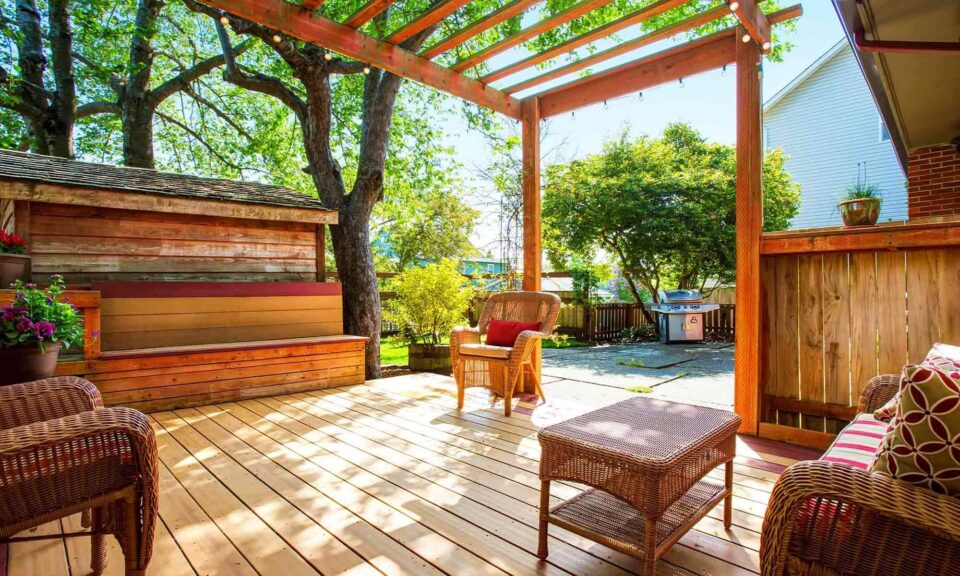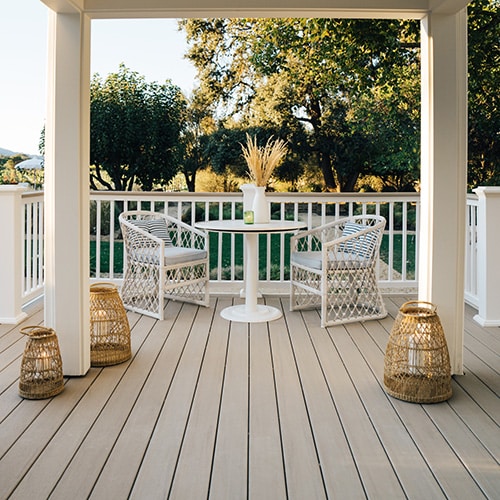
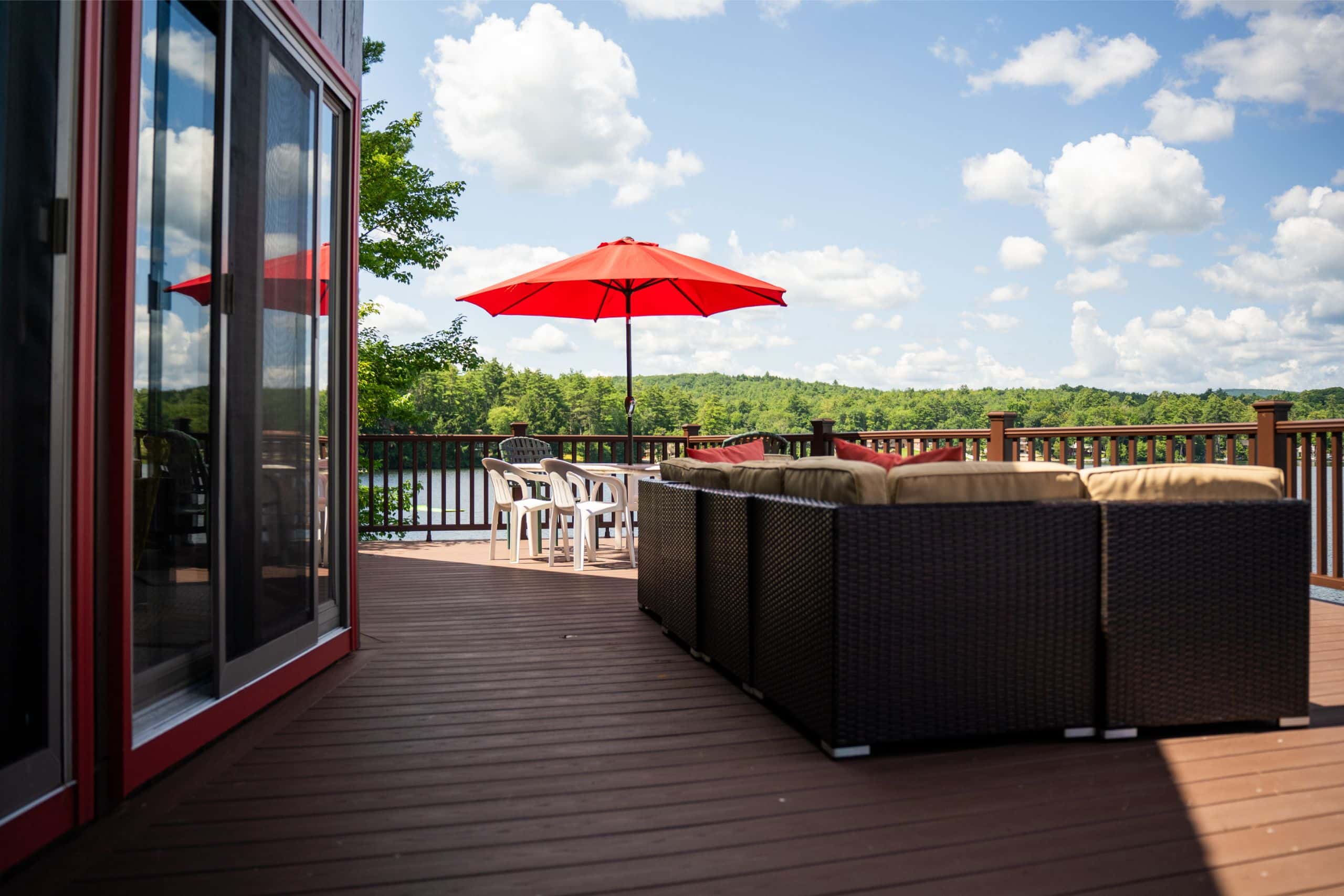
Homeowners across New Hampshire and Maine often ask why composite decking costs more than a traditional wood deck. The price gap is real, and it shows up the moment you start comparing quotes from different builders. Understanding where that extra money goes helps you make a confident choice for your backyard and your budget.
The short answer comes down to materials, manufacturing, and what you save over time. Premier Deck builds decks throughout the Seacoast region, and we walk every customer through this exact comparison. Here is what actually drives the difference between the two options.
The Upfront Cost Difference Explained
A pressure-treated wood deck usually carries the lowest sticker price at the start. Composite decking sits higher because the boards themselves cost more per square foot, and that gap can feel steep when you first see the numbers side by side on a quote.
Wood arrives straight from the mill with minimal processing behind it. Composite boards require a detailed manufacturing process that blends recycled materials and binds them into a durable, weather-ready product. That added production work raises the base price well before any labor enters the picture.
What You Pay For With Composite Materials
The premium covers performance you simply cannot get from wood. Composite decking resists rot, insects, and moisture without sealing or staining every season. Brands like TimberTech and Azek engineer their boards to hold color and texture for decades in tough conditions.
You also pay for consistency across the entire surface. Each board arrives uniform in shape and finish, while natural wood varies from plank to plank with knots and warping. That reliability cuts waste during the build and gives your finished deck a cleaner, more refined look.
Installation Adds to the Total
Quality composite decking work takes real skill, and proper installation protects your investment for the long haul. As a TimberTech Platinum installer, Premier Deck follows precise methods for fastening, spacing, and finishing every board. That level of expertise carries a fair and well-earned labor cost.
Many of these projects also include upgrades that basic wood decks skip entirely. Under deck drainage, hidden fasteners, and integrated deck lighting all add to the total investment. These features improve how the space looks and functions for many years to come.
The Cost of Maintenance Over Time
Wood demands attention from the day it goes in. You face annual cleaning, sanding, staining, and sealing, and you eventually replace boards that split, splinter, or rot. Those recurring expenses rarely show up in the first quote you receive, but they add up quickly.
Composite asks for almost none of that ongoing care. A simple wash with soap and water keeps the surface looking fresh through every season. Skipping years of stain, sealer, and replacement boards puts real money back in your pocket over the life of the deck.
Long-Term Value Changes the Math
The bigger price tag looks very different once you account for maintenance. A wood deck demands regular upkeep and eventual repairs, and those costs stack up faster than most homeowners expect. Composite decking skips almost all of that ongoing work from the start.
Over fifteen or twenty years, the savings often close the gap completely. You spend less on upkeep, lose fewer weekends to maintenance, and avoid the slow decline that wood faces in our climate. The durability of composite decking turns a higher upfront cost into long-term value.
Is Composite Worth the Higher Price?
For most homeowners in our area, the answer leans toward yes. The Seacoast region sees heavy rain, snow, and humidity, and these conditions punish wood faster than many people expect. Composite decking stands up to that weather with far less effort from you each year.
We still build beautiful wood decks when that fits your budget and goals. The right choice depends on how long you plan to stay, how you use the space, and how much upkeep you want to take on. Our team helps you weigh every factor before you commit to anything.
Premier Deck installs composite decking, TimberTech advanced PVC, and wood decks across Wolfeboro, Alton, Portsmouth, Dover, Rochester, York, Kennebunk, and the surrounding Seacoast communities. We also handle redecking, re-railing, pergolas, under deck drainage, deck lighting, lattice, and pool decks. Call Premier Deck at (603) 833-2353 to talk through your project and find the option that fits your home best.